Kolubara Bio-District on the Path Toward Sustainable Tourism
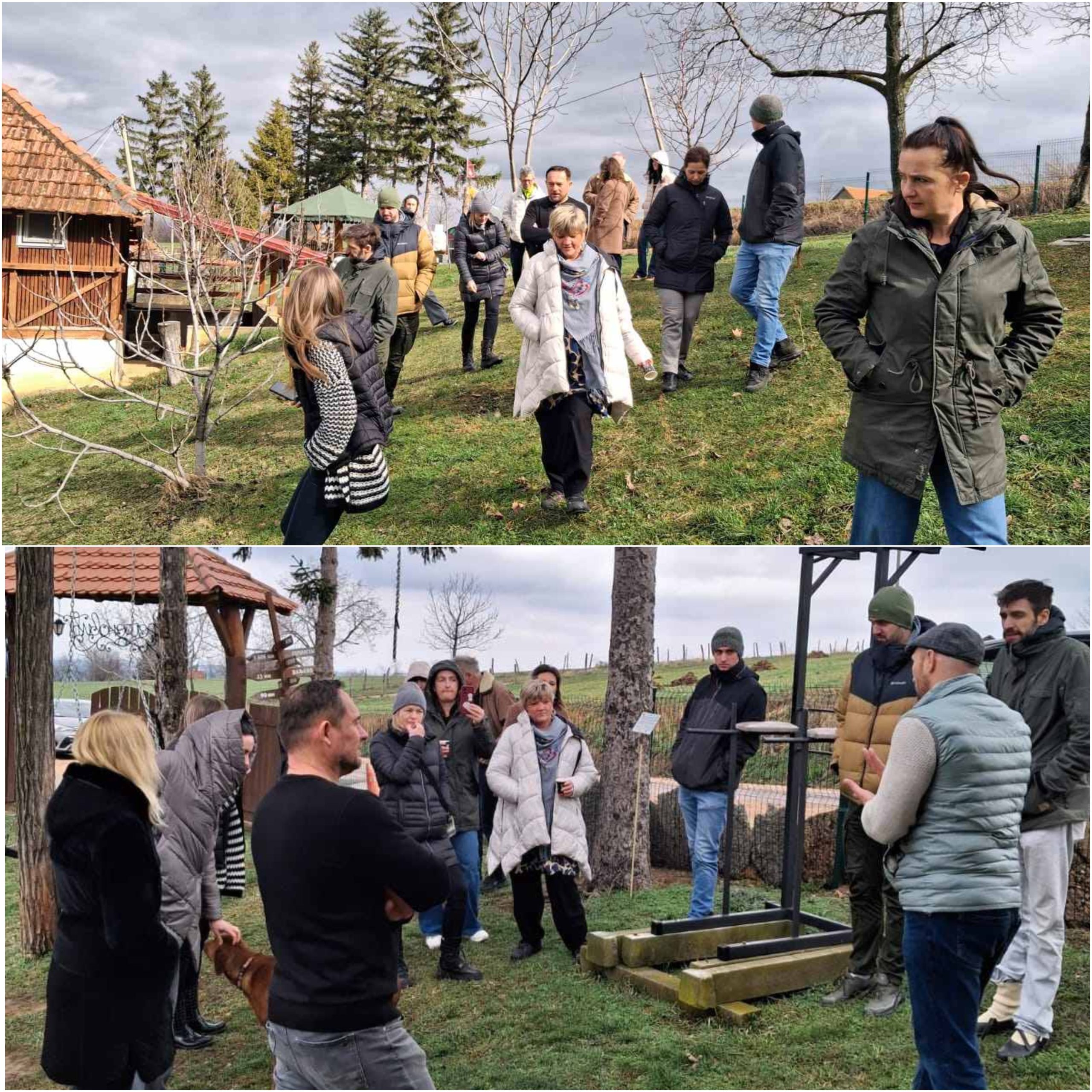
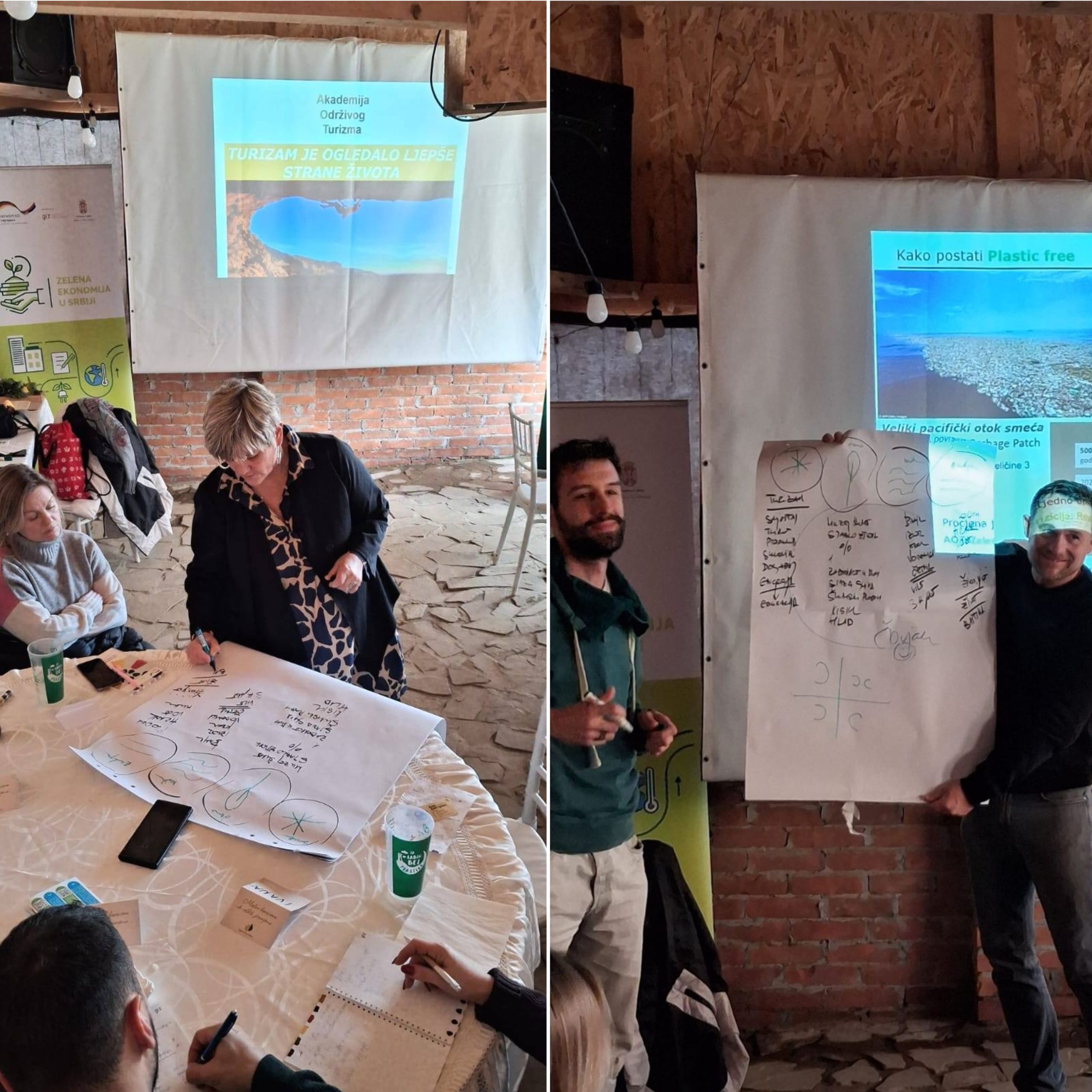
The Academy of Sustainable Tourism from Croatian, Istria, with the support of the German Organization for International Cooperation (GIZ) and the National Association Serbia Organica, brought together members and participants of the Kolubara Bio-District for a four-day training program. Through four different modules, participants exchanged ideas and, above all, inspired one another.
The lecturers generously shared their extensive knowledge and experience in implementing sustainable tourism practices, opening entirely new perspectives for the members of the Bio-District and inspiring them with ideas and actions they can implement both within their own initiatives and in their wider communities. They were also encouraged to share this knowledge with others who did not have the opportunity to attend this unique educational program. All the topics were extremely significant and demonstrated the important role of sustainable tourism in connecting local sustainable production, gastronomy, nature, and cultural heritage—elements for which the Kolubara District stands out as the place where the first bio-district in this part of Europe was established.
For the Kolubara Bio-District, sustainable tourism has a special value because it enables the connection of organic and sustainable agriculture, local products, and natural resources into a unified story that attracts visitors and contributes to the development of this region.
Through motivating discussions with the lecturers and the exchange of practical examples, participants had the opportunity to reflect on the many potentials of their district, as well as the challenges that accompany the development of tourism initiatives.
It was particularly emphasized that such models of tourism make it possible to preserve natural resources and tradition while simultaneously creating new opportunities for the development of the local economy.
These gatherings also serve as a reminder of how important cooperation is between agricultural households and food producers, tourism hosts, and small local entrepreneurs. They also highlight that the foundation on which the Kolubara Bio-District was created is organic agriculture, and that organic producers and organic products are precisely what should make this region unique and recognizable. Without this, the area could become just another attractive tourist destination.
The training demonstrated how important knowledge, cooperation, and a shared vision are for the future of the Kolubara Bio-District. Through the exchange of experiences and the generous support of the lecturers, as well as among the participants themselves, the connections between them were further strengthened, showing that tourism can be a powerful driver of development—but only if it is sustainable, because only sustainable tourism brings benefits to local communities, nature, and future generations.